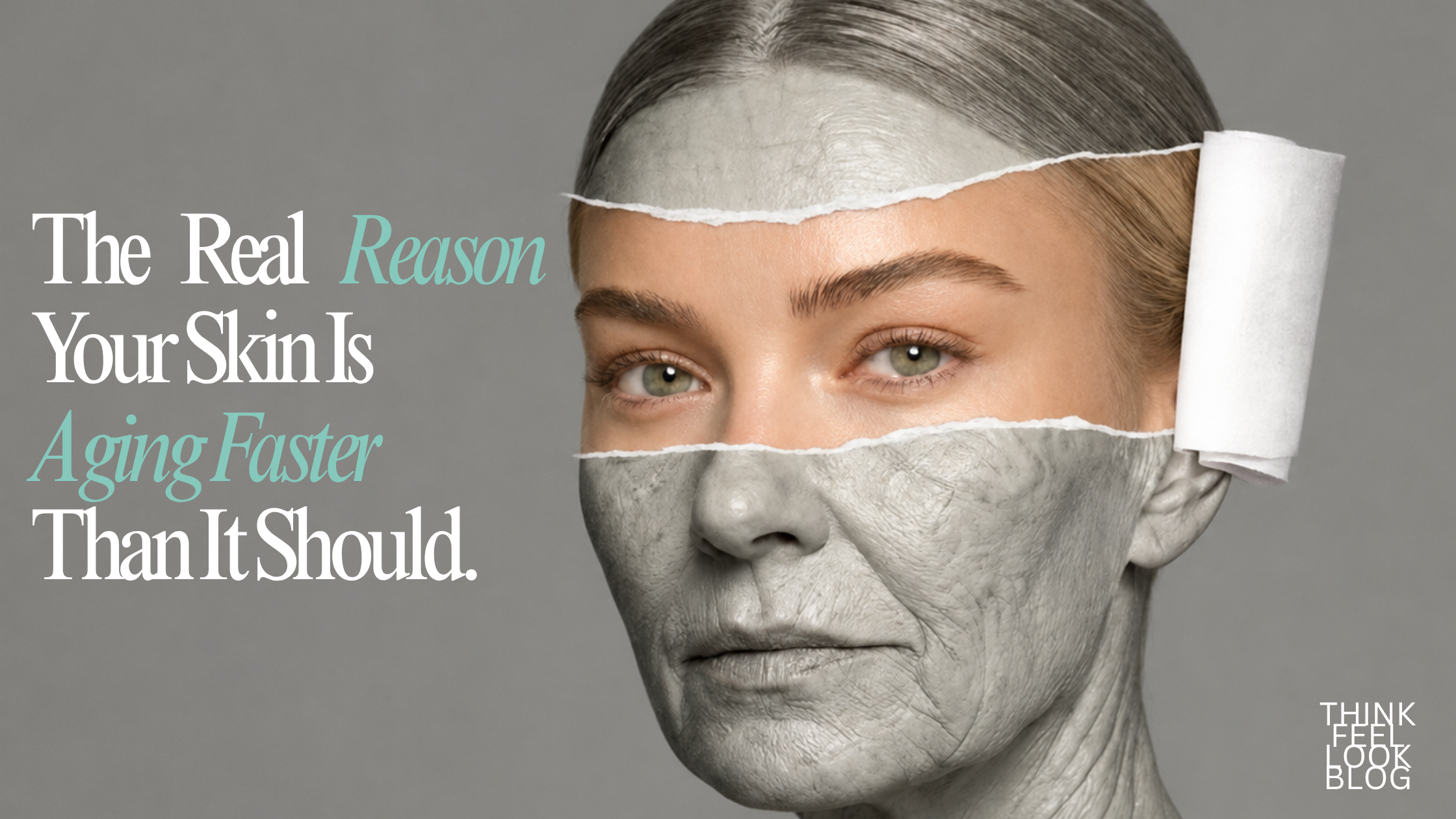
The Real Reason Your Skin Is Aging Faster Than It Should
We talk a lot about what we put on our skin. We talk less about why.
And the why matters more than most people realize.
There is a kind of skin aging that no serum addresses and no device reverses. It is the aging that comes from doing things for the wrong reasons. Following every trend because everyone else is. Buying what is viral. Changing your routine every few months because a new ingredient is being talked about. Chasing someone else's skin instead of understanding your own.
This is not just ineffective. Over time, it is genuinely damaging.
The Pressure to Keep Up Is a Stressor. And Stress Ages Skin.
Cortisol, the primary stress hormone, directly breaks down collagen. It impairs the skin's overnight repair process, disrupts the microbiome, and increases inflammation. Chronic stress does not just make you feel older. It accelerates aging at a cellular level.
The constant noise of social media, the pressure to look like someone else, the anxiety of feeling behind on the latest routine — these are not neutral. They are stressors. And your skin is absorbing them.
Trend-Chasing Disrupts the Skin Barrier
Every time you overhaul your routine to follow a trend, you are asking your skin to adapt to something new. Introduce too many actives too fast, layer incompatible ingredients, or use products formulated for a different skin type, and you compromise the skin barrier.
A disrupted barrier cannot protect itself from environmental damage. It cannot retain moisture. It cannot repair efficiently. And the more you disrupt it in pursuit of someone else's results, the more reactive, sensitive, and unpredictable your skin becomes.
The irony is that the pursuit of better skin, when driven by external pressure rather than self-knowledge, often produces worse skin.
It Is No Longer a Practice If You Are Doing It for Other People
Skin longevity is not a trend. A trend is something you follow. A practice is something you build for yourself, on your own terms, for your own reasons.
When you care for your skin because you want to feel well in your body, because you understand what your skin needs and you give it that consistently, the results are completely different. Not just physically. The relationship you have with your own face changes.
That is what I teach. Not what is popular right now. Not what worked for someone with different skin, different genetics, a different life. What works for you, sustained over time, because it is yours.
What Actually Slows Skin Aging
The fundamentals are not glamorous, but they are real:
- A stable, consistent routine built around your skin's actual needs
- Active ingredients chosen for their function, not their fame
- Technologies that support your skin's own biology rather than override it
- Stress management, sleep, and nutrition — because skin is not separate from the body
- The discipline to stop comparing your skin to someone else's
None of this is a trend. All of it compounds over time.
Your skin does not need you to keep up. It needs you to pay attention.
Julie Lindh, Skin Expert
Written by Julie Lindh
Visit author's website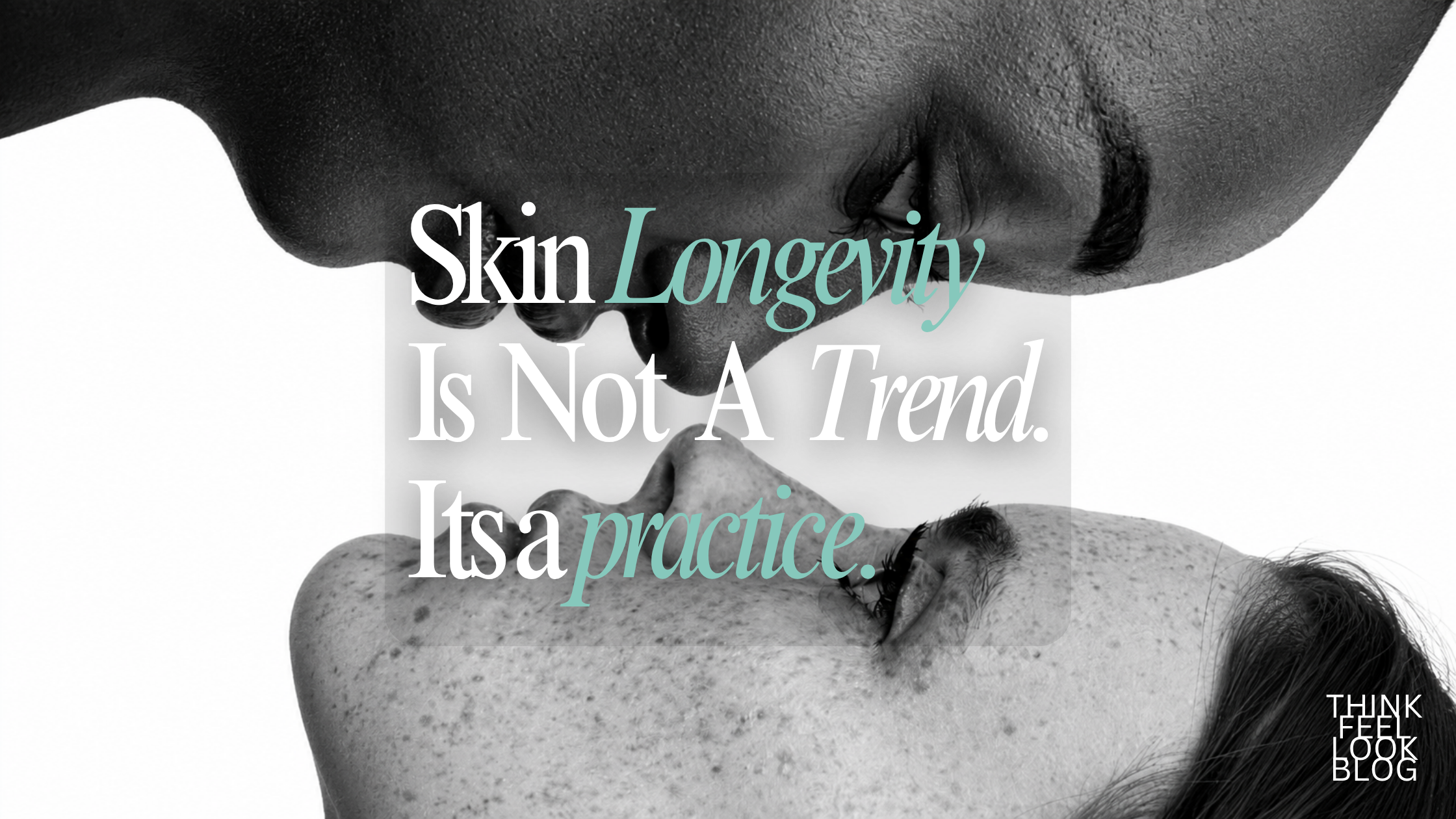

Leave a comment
This site is protected by hCaptcha and the hCaptcha Privacy Policy and Terms of Service apply.